New Construction vs Existing Homes in Greenville: Financing Pros and Cons
In This Article: New Construction vs. Existing Homes Guide
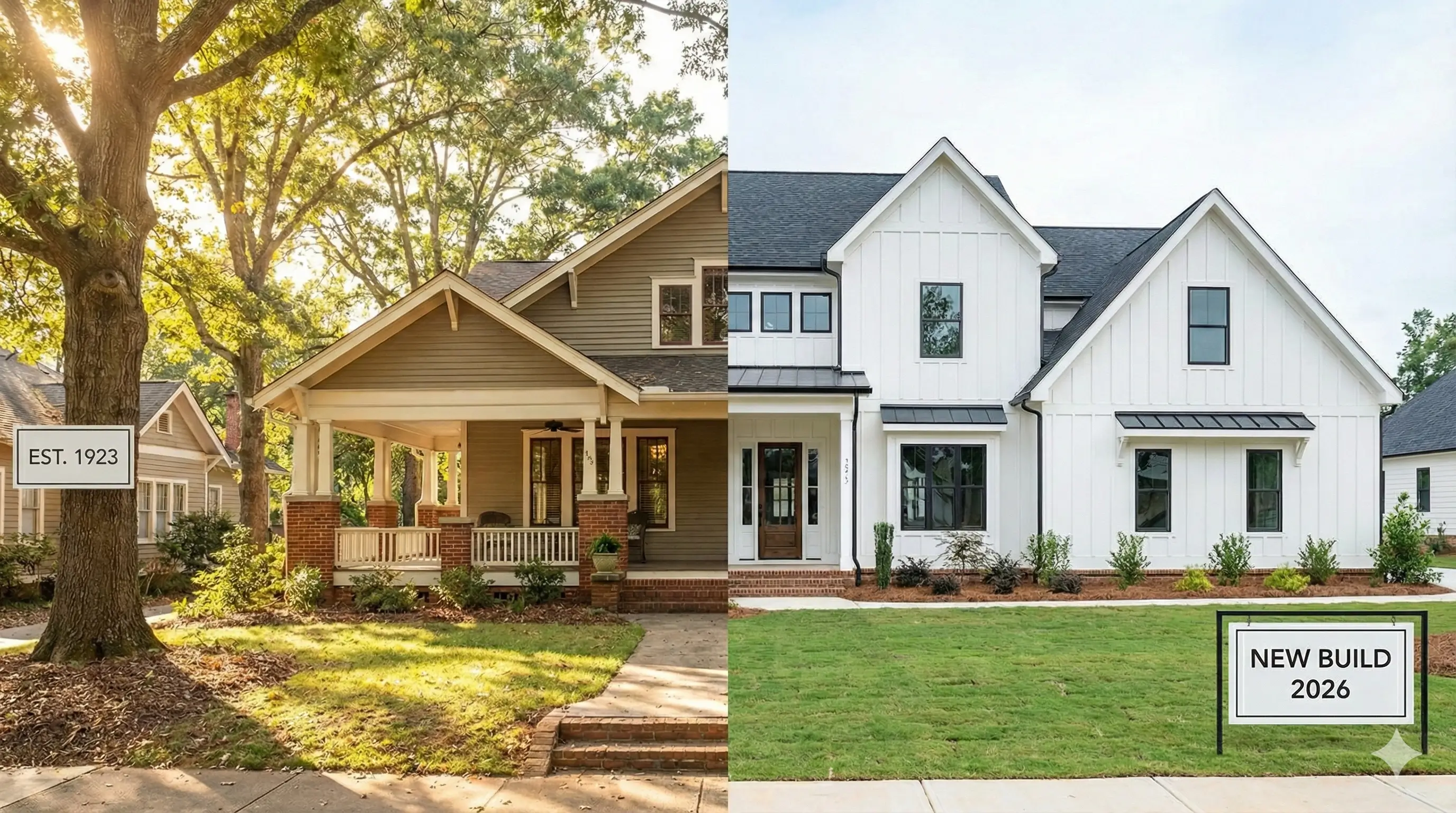
Deciding between a brand-new build and a resale home in Greenville involves more than just picking a floor plan. This guide breaks down the critical financial differences you need to know, including a comparison of builder incentives vs. negotiation power, the pros and cons of standard mortgages vs. construction loans, and realistic expectations for timelines and resale value. Whether you are looking in Simpsonville or North Main, we help you weigh the risks and rewards to make the smartest investment for your family.
The Appeal of New Construction: Incentives and Modern Living
There is something undeniably exciting about being the first person to live in a house. Everything is clean, under warranty, and energy-efficient. In areas like Fountain Inn and Travelers Rest, builders are meeting the demand for housing with communities that offer pools, clubhouses, and move-in-ready convenience.
From a financing perspective, "tract" or "spec" homes (homes built by a large developer in a subdivision) are often the easiest new construction path. You typically don't need a special construction loan for these. You just get a standard mortgage, like a Conventional or FHA loan, and close when the house is finished.
The Case for Existing Homes: Negotiation and Location
While new homes are shiny, existing homes in Greenville offer something you can’t build overnight: location and community. Established neighborhoods often have better proximity to downtown Greenville, larger lots, and no construction noise at 7 a.m.
According to Redfin, the median sale price in Greenville County is hovering around $365,000, and the market is balancing out. This means buyers of existing homes currently have more negotiating power than they did a few years ago. You might be able to negotiate repairs or a price reduction, which can sometimes outweigh the flashiness of builder incentives.
Plus, if you find an older home in a perfect location that needs work, you aren't out of luck. Purchase and renovate loans allow you to buy the home and finance the repairs into one single loan. This is a fantastic way to get into a hot neighborhood like Dunean or Sans Souci without paying the premium for a fully flipped house.
The "Cake and Eat It Too" Option: FHA 203k Renovation Loans
Many Greenville homebuyers feel stuck between two extremes: a perfect (but expensive) new build or an affordable existing home that looks stuck in the 1990s. The FHA 203k Renovation Loan is often the solution that lets you have your cake and eat it too.
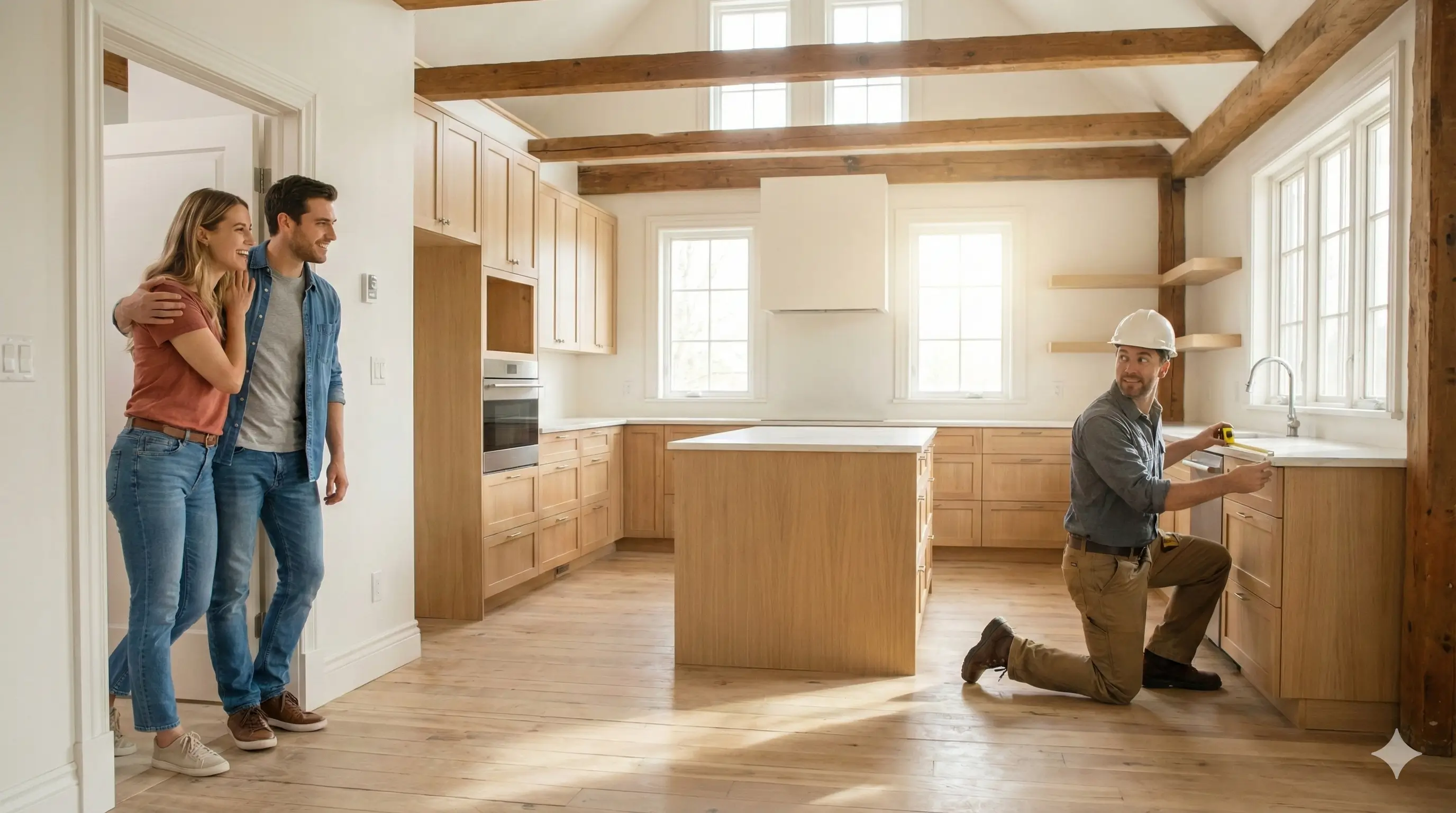
If you find a home with "good bones" in a dream location—like an older brick ranch near Augusta Road—but the kitchen is outdated or it lacks a master bath, this loan allows you to wrap the purchase price and the renovation costs into one single mortgage. You get the lower price and character of an existing home, but with the modern finishes you'd expect in new construction. It opens up inventory that other buyers overlook, giving you a massive advantage in the market.
The "Custom Build" Route: Understanding Construction Loans
If you can't find what you want in a subdivision or an existing home, you might decide to build a custom home on your own land. This is where financing gets different. Unlike buying a spec home from a builder, a custom home usually requires a true construction loan.
A construction loan is a short-term loan that covers the cost of building the home. During the build, you typically only pay interest on the money that has been paid out to the builder. Once the home is complete, that loan converts into a permanent mortgage.
This process is more complex than a standard purchase. It requires:
- Detailed plans and specs from a licensed builder.
- A slightly higher credit score requirement (usually).
- Strict timelines for completion.
If this sounds like your dream, check out our guide to Greenville construction loans to understand the step-by-step process.
Comparison: Timelines and Risks
| Feature | New Construction (Builder/Spec) | Existing Home (Resale) |
|---|---|---|
| Move-in Timeline | Can be months (unpredictable delays) | Usually 30-45 days |
| Surprise Costs | Low (Warranties cover repairs) | Moderate/High (Older HVAC, roof, etc.) |
| Loan Type | Standard Mortgage | Standard Mortgage or Reno Loan |
| Upfront Cost | Often higher price per sq. ft. | Often lower, more negotiable |
Long Term Resale Value: One risk with new construction is that you are often paying the highest price in the neighborhood. If the market dips, you might not have much equity initially. With existing homes, especially in improving neighborhoods, you can often "force appreciation" by making smart updates.
Why Work With Beaufort Lending
Whether you are buying a brand new home in Greer or a historic bungalow near Main Street, you need a lender who knows the Greenville market inside and out. Benji Gecy and the Beaufort Lending Team are your local experts.
Here is why savvy Greenville homebuyers choose us:
- Unbeatable Rates: Our rates are typically 0.5 percent below the national average, saving you thousands over the life of your loan.
- Fast Closings: In a competitive market, speed wins offers. We close loans fast and efficiently.
- Local Reputation: We are proud of our 150+ 5-Star Google Reviews from happy homeowners across South Carolina.
- Transparency: Use our 24/7 instant rate quote tool anytime to see exactly where you stand—no hidden fees, no games.
FAQ Section
Do I need a construction loan for a new home in a subdivision?
Usually, no. If you are buying a home from a large builder (like D.R. Horton, Ryan Homes, etc.) in a master-planned community, you typically use a standard end-loan (Conventional, FHA, VA) that closes when the house is finished. You only need a construction loan if you are buying a lot and hiring a builder to build a custom home specifically for you.
Should I use the builder's preferred lender?
Builders often offer tempting incentives, like "free" closing costs, if you use their lender. It is worth getting a quote from them, but you must compare it to an independent broker like Beaufort Lending. Sometimes the builder's lender charges a higher interest rate or higher fees that eat up the value of those "incentives." We can help you run the math to see which deal is actually better for you.
Can I use a VA loan to build a house?
Yes, it is possible, but it can be tricky depending on the builder. VA loans are excellent for buying existing homes or new "spec" homes that are already completed. If you want to build from scratch, you might need a specific VA construction loan. Learn more about your benefits on our Greenville VA loans page.
Is it safer to buy a new home or an existing home?
New homes generally have fewer immediate repair risks because everything is brand new and under warranty. Existing homes carry the risk of older components (roofs, water heaters) failing. However, existing homes often have "good bones" and established landscaping that new builds lack. It depends on your tolerance for maintenance versus your desire for modern perfection.
Ready to Make Your Move?
Start Your Greenville Home Journey Today
Whether you're eyeing a new build or a classic resale, getting your numbers right is the first step. Benji Gecy and the Beaufort Lending Team are here to guide you.
- Check Your Numbers: Use our Greenville Mortgage Calculators to estimate payments.
- Get a Quote: See how much you can save with our Instant Rate Quote tool.
- Call Us: Have a specific scenario? Call us directly at 843-524-2404.
Other Resources You May Find Helpful
- Guide to Construction Loans in Greenville
- VA Loans for Veterans in Greenville
- Purchase and Renovate Loans for Fixer-Uppers